 Naneedigital
- How do I enable personalization in Windows 7 Home Basic?
- How do I open Personalization in Windows 7?
- How do I put icons on my desktop in Windows 7 Home Basic?
- How do I change the background on Windows 7 Home Basic?
How do I enable personalization in Windows 7 Home Basic?
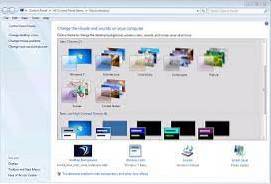
In all other editions of Windows 7, you can easily personalize your computer by simply right-clicking on the desktop and selecting Personalize. This gives you a wide range of options to change, including themes, background, sounds, screensaver, mouse pointers, and desktop icons.
How do I open Personalization in Windows 7?
Right-click anywhere on the desktop and click Personalize from the pop-up menu. When the Personalization window appears, click Window Color. When the Window Color and Appearance window appears, as shown in Figure 4.4, click the color scheme you want.
How do I put icons on my desktop in Windows 7 Home Basic?
To put the Computer icon on the desktop, click the Start button, and then right-click on “Computer”. Click the “Show on Desktop” item in the menu, and your Computer icon will show up on the desktop.
How do I change the background on Windows 7 Home Basic?
How to Change Your Wallpaper in Windows 7 Starter Edition
- Introduction: How to Change Your Wallpaper in Windows 7 Starter Edition. ...
- Step 1: Step 1: Open Computer on Your Desktop. ...
- Step 2: Step 2: Click on Your Hard Drive. ...
- Step 3: Step 3: Open the "Web" Folder on Your Hard Drive. ...
- Step 4: Step 4: Open the "Wallpaper" Folder and Replace Your Wallpaper for Good.