 Naneedigital
- What happened Lima cloud?
- Is personal cloud storage secure?
- Is it worth paying for cloud storage?
- How much does 1TB of cloud storage cost?
What happened Lima cloud?
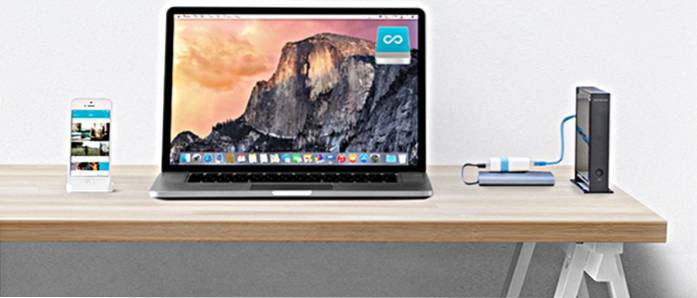
Lima, the creator of "Personal Cloud" devices designed to bring private clouds to the mainstream, has announced the startup's closure. Emailed notifications were sent to Lima users on Tuesday and a message published on the startup's website said that Lima is closing its doors due to funding problems.
Is personal cloud storage secure?
Yes, your data is relatively safe in the cloud—likely much more so than on your own hard drive. In addition, files are easy to access and maintain. However, cloud services ultimately put your data in the hands of other people. If you're not particularly concerned about privacy, then no big whoop.
Is it worth paying for cloud storage?
And you may not need to pay for cloud storage. There are plenty of free options available, letting you store files of any kind and most sizes at no cost. Free cloud storage is as great as paid options, too, meeting your needs, protecting your data, and ensuring you always have your files at any time.
How much does 1TB of cloud storage cost?
There are several options for cloud storage, and here's a breakdown of cost for 1TB of storage: Amazon Cloud Drive Unlimited Photos - $11.99. This gives you unlimited storage for photos only, and 5GB for videos and other files. This is free for Prime members, and has limited RAW support.